Three recent releases, though different in style, struggle to treat their migrant women protagonists as fully realized individuals.
An essay by Krish
Over the last few years, immigration – specifically the movement of refugees – has become one of the defining issues in the West. It’s no wonder then that the topic has entered many films of late, including the likes of Agniezka Holland’s Green Border (2023) and Boris Lojkine’s Souleymane’s Story (2024).
With its harrowing plot, Green Border captures the desperate plight of a Syrian family as they cross the border from Belarus to Poland, whilst Souleymane’s Story accurately seizes on the difficulties of an asylum seeker stuck in a country that wants little to do with him.
In both films, we see deeply researched plots with challenging set pieces from which we can learn, and which show unromanticized characters who have the substance of actual people. The same cannot be said for other recent films.
Despite obvious differences in their style, Ken Loach’s The Old Oak (2023), Babak Jalali’s Fremont (2023), and Julian Radlmaier’s Phantoms of July (2025) all share two key commonalities: they filter the topic of migration through the story of a female migrant – one who is quirky and artistic and as such also maintains a distance from her fellow migrants – and they were all made by male directors from the West.
This is not a problem in itself. But there seems to be something else at play here. For whatever reason, the Western Male Director fashions a marginalized female character and places her in a hostile city. Then, via plot and narrative, he seeks to save her from what the city has in store for her. Reduced to a modern-day Cinderella, she may only be rescued by him, her very own Prince Charming.
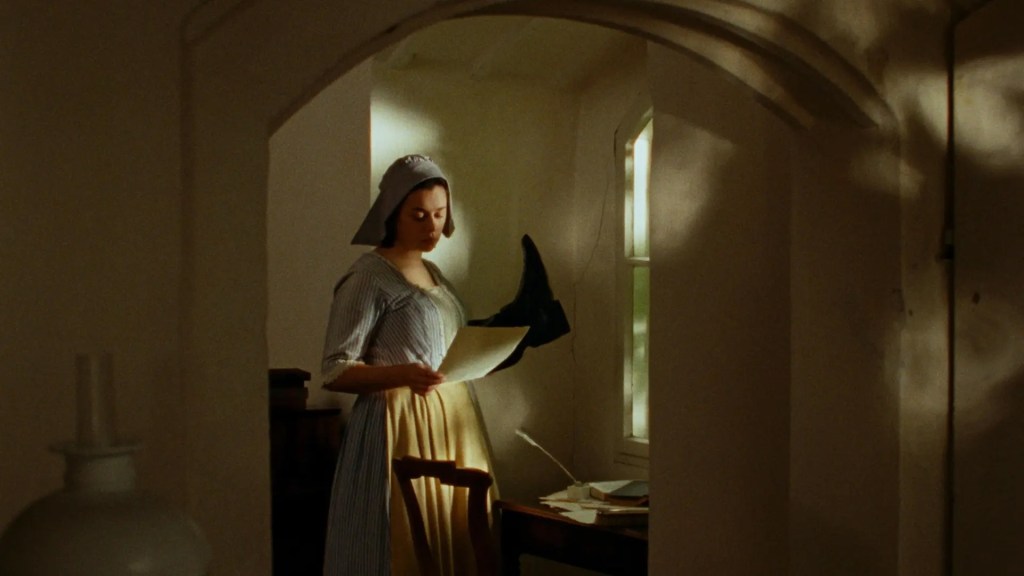
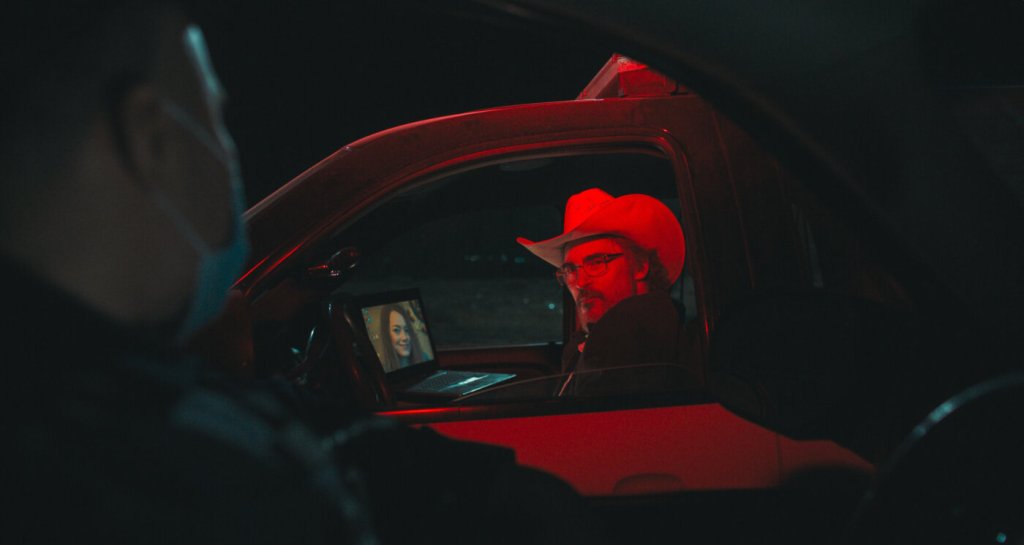
In Phantoms of July we come across Neda (Maral Keshavarz), an Iranian Youtuber. Whilst wandering around a small German town making travel content, a white man aggressively gives her the middle finger. She then finds a Siberian tour guide, a fellow quirky migrant, and together they drive around the countryside with his equally quirky nephew. Through all this, we learn very little of what a young Iranian migrant might actually go through in a place like Western Europe – one becoming increasingly hostile to migrants. The film then ends with an awkward and unrealistic set piece in which the migrants and an outcast white woman come together, united in their shared eccentricity.
The Old Oak does something similar. When all the kind-hearted left wingers join the refugees in their fight against the reactionary forces attempting to hound them out, the tensions that beset their Northern mining town are suddenly resolved.
As Loach’s film happened to be the last of a mighty career, reviewers at the time were careful in their approach, and more honest (and necessary) critiques were hard to come by. No one dared ask: where in Britain has something like this ever actually happened? The UK sees a rising number of anti-immigration protests with every passing month, some of which culminate in full-out riots. This month’s incident of racist violence in Belfast saw African families forced to leave their homes and foreign origin nurses terrified to go to work for fear of intimidation and harassment.
It’s not that Loach is detached from reality but that his story’s resolution functions as a projection, something he desperately wants, but in reality did not, and might never happen. His dream, though noble, is not truthful.
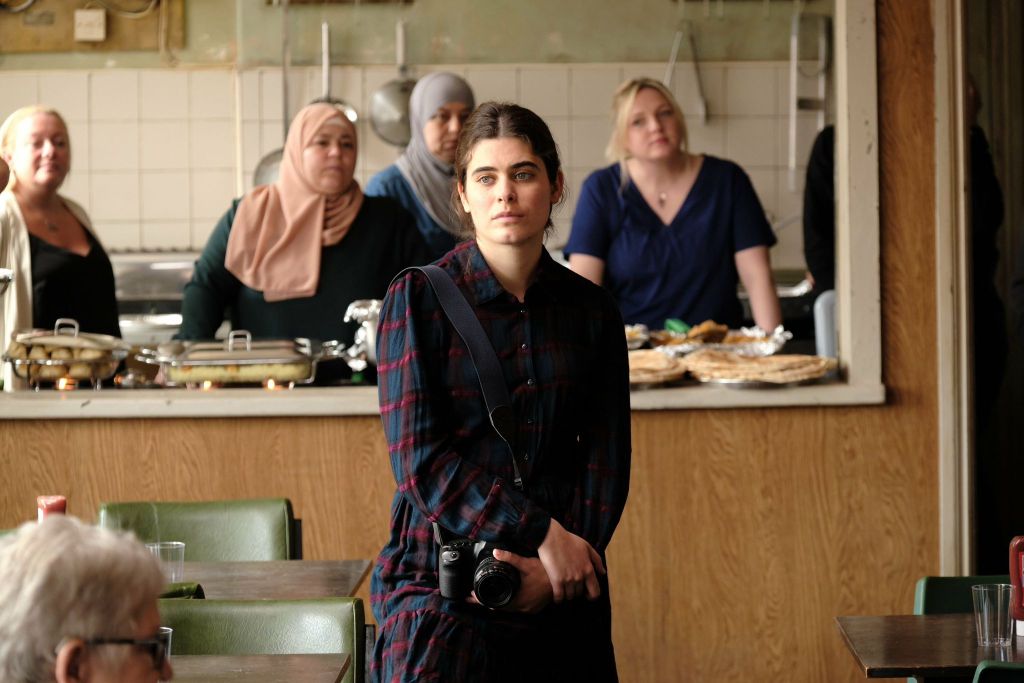
In Fremont, we graduate to a more streamlined exploration of the immigrant experience. Though the film focuses primarily on its lead, Donya (Anaita Wali Zada), its whimsical idiosyncracies also give a glimpse into a broader migrant life, albeit one that is whittled to bite-size chunks of quirk and foible.
In one diner scene, Donya meets a mechanic (a wonderful cameo by Jeremy Allen White). They sit, talk, and in their shy eye contact we witness the beginnings of love. This romance between a white, working-class, Green Card-holding man and an Afghan refugee is in no way problematic. What is problematic is the way it is presented to us, sweet and soporific. How could these two vastly different people relate to each other and find common ground, beyond the initial spark of physical attraction? What are the fumbles and ineptitudes that would characterize their initial encounters? How would the steep power imbalance between them manifest itself in friction, even conflict? None of that is shown; instead we get Jarmuschian tropes and deadpan shots.
These works often read as poor attempts to keep up with a contemporary cinematic trend that has prioritized stories of the marginalized and disadvantaged, whether that’s immigrants or refugees.
It’s no surprise that similar savior tropes have been consistently manifesting themselves across the board in literary texts by white male authors. John Fante’s Ask the Dust (1939) features a Mexican woman whom the narrator at once saves, treats like shit, and exotifies. Jack Kerouac’s On the Road (1957) contains a large chapter on his fetishistic romance with a Mexican woman, which was published as The Mexican Girl by The Paris Review in 1955, ahead of the book’s release. Such depictions tap into a specifically male ideation of saving a woman in distress; and in all these cases, the particular distress faced by the women seems to be their migrant status.

More broadly, in The Old Oak, Fremont, and Phantoms of July, we see a refusal to acknowledge the serious tensions that the transnational movement of populations and their economic, social and cultural marginalization have brought about in the 21st century. That these films attempt to tackle a weighty and highly relevant subject is undoubtedly commendable, but somewhere along the way they falter, sauntering languorously into easy, lazy portrayals.
There may be a deeper, more formal problem here too. These works begin with a preconceived idea. Their makers are not interested in finding a truth through the filmmaking process, nor do they allow for audiences to make up their own minds on the issues raised. The films discussed here are not methods for discovery but tools with which to disseminate set, existing views of the world. As a result, a strain of didacticism and preachiness seeps through. That the West is in need of the migrant is a basic fact – we don’t have the manpower to support the varied demands of our economy. But that immigration ostensibly causes legitimate problems is a fact too.
To balance its different aspects, to present migration in all its messy, real-world complexity, and let the viewers decide how they feel: these are the daunting but necessary feats we require of our filmmakers today.

Leave a comment